A friend of mine moved from the east coast to here in the Sonoran Desert, a very different climate. A desert is a fascinating place, full of surprises. She was quite surprised when she saw a mushroom, but I assured her that mushrooms are common here. After all, people often assume mushrooms need constantly moist soil.
Fungi exist throughout the desert, but many are microscopic, live underground, or only become visible during the monsoon season. I have seen many mushrooms pop up in areas with just a little moisture, though I didn’t know about the microscopic species at first.
Underground Networks and Monsoon Mushrooms
The underground mycorrhizal fungi form symbiotic relationships—helping both parties—with the roots of desert plants, such as the saguaro cactus. They aid the plants in obtaining water and nutrients from the soil in exchange for sugars used for nutrition.
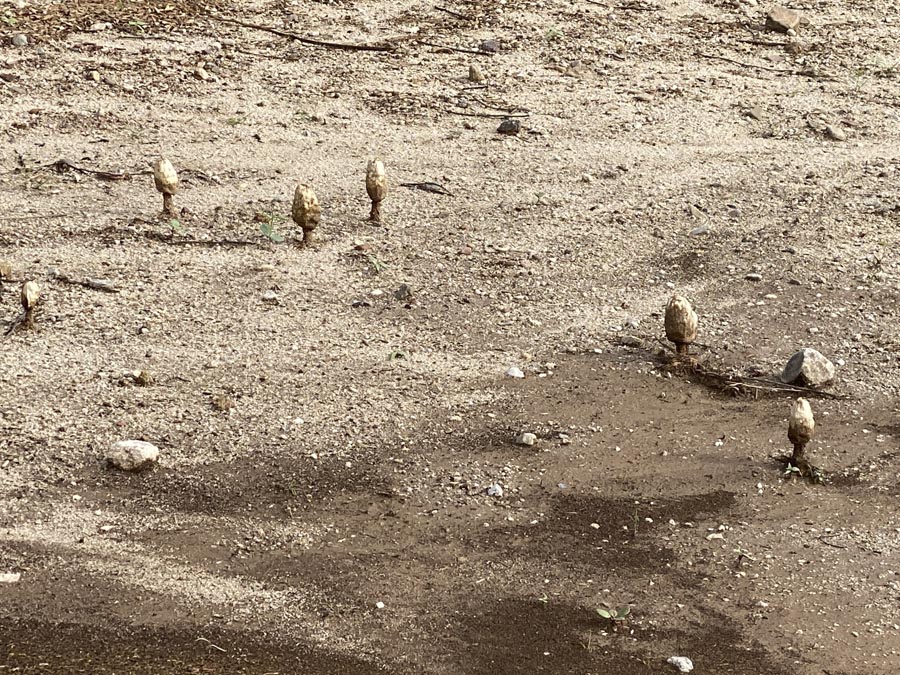
The visible mushrooms often appear after a monsoon rain. The Desert Shaggy Mane (Podaxis pistillaris) is one I’ve seen after a rainstorm, and its shape reminds me of a lollipop. The Desert Shaggy Mane is related to puffballs and is an example of a xerophilic agaric mushroom, a gilled fungus that thrives in the extremely dry desert environment. This mushroom is described as heat-loving, and it shows its puffball characteristics when the cap turns into a dark powder.
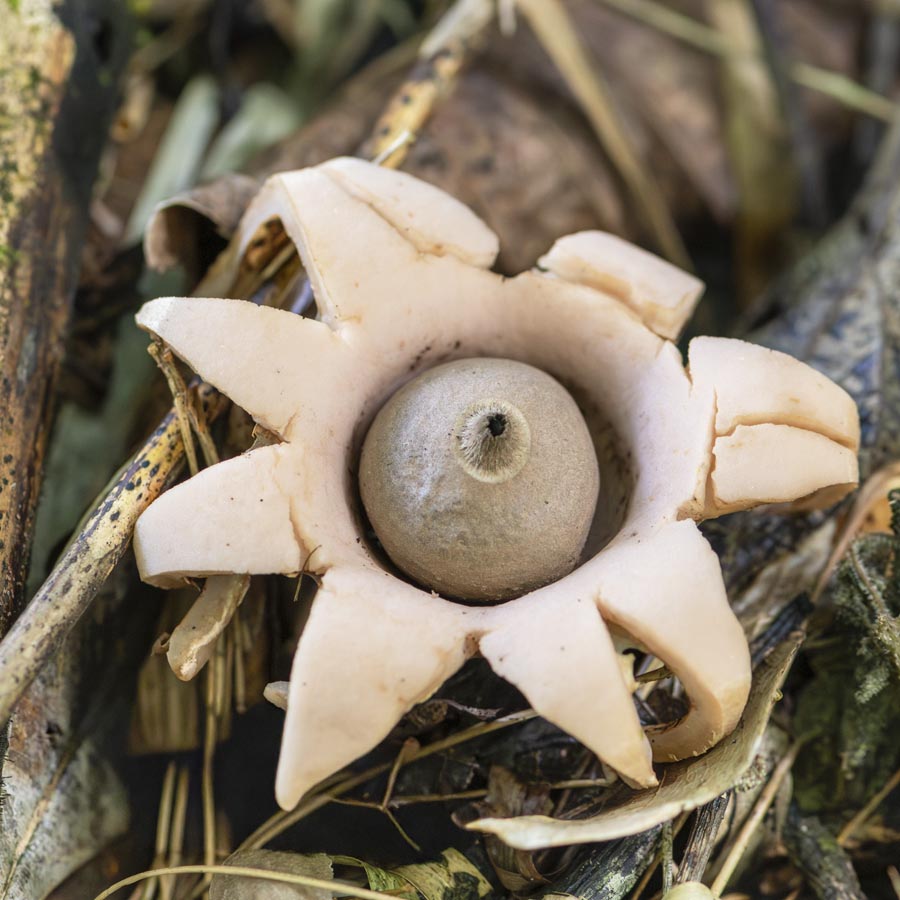
My research also introduced me to a really interesting-looking fungus: the Hygroscopic Earthstar (Astraeus hygrometricus). The outer layer of this puffball-looking fungus splits open, and the “petals” create a star-like structure. In this state, spores are released when the mushroom is bumped by animals or even raindrops. What an intriguing fungus! Those panels open and close depending on the air moisture—flat when wet and curled up tight when it’s dry. This behavior is why it is described as hygroscopic. It is listed as living in upland Sonoran Desert areas, and while I’m not sure exactly where that means, I’m definitely going to go look for them.
Desert Moss Fungi
Fungi may even be responsible for moss’s ability to survive the harsh desert environment. Scientists at the University of California Riverside found mycorrhizal fungi DNA inside desert moss tissues, and their discovery was published in New Phytologist. The presence of fungi was unexpected. To show that this wasn’t just environmental contamination, the DNA of fungi from the surrounding desert dirt was tested and proved to be entirely different. The scientists suggest that these internal fungi help moss tolerate extreme heat and a lack of water. In addition, because mosses are similar to the earliest land plants, the presence of fungi may have assisted the move of plants from the ocean onto dry land around 470 million years ago—simply fascinating!
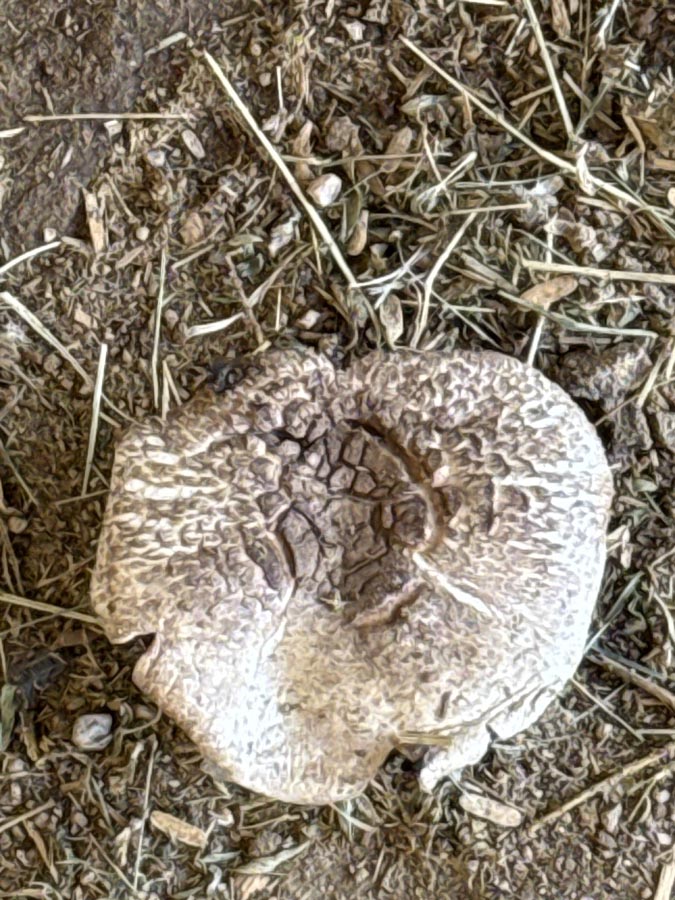
As for the mushroom that originally greeted my friend, I’ve tried identifying it, but I am not confident I have the correct species. Is it an expanded Desert Shaggy Mane, a poor-ground Agaricus (Agaricus incultorum), or perhaps a species of mushroom that I did not discover in my research?
If you love discovering the hidden wonders of the Sonoran Desert, check out my science-based workbooks to explore more amazing adaptations of local wildlife.